Skincare is one of the most important self-care rituals, yet many people overcomplicate it. Building a skincare routine doesn’t need to involve an overwhelming number of products or complex steps. The key is to focus on the essential steps that support your skin’s health, creating a routine that works for you.
In this article, we will guide you through the essential steps of skincare, helping you create a straightforward yet effective routine that addresses your skin’s needs while maintaining its balance. From cleansers to sunscreen, here’s how to build a simple and manageable skincare regimen.
Step 1: Cleansing – The Foundation of Your Routine
Cleansing is the very first step in any skincare routine. It’s the process of removing dirt, excess oils, makeup, and other impurities that accumulate on your skin throughout the day. Without proper cleansing, the skin’s surface can become congested, leading to clogged pores and breakouts.
There are various types of cleansers to consider based on your skin type:
– Foaming Cleansers: Foaming cleansers work well for oily and acne-prone skin. They provide a deep cleanse, removing excess oil and dirt while helping to prevent clogged pores.
– Gel Cleansers: These are lightweight and provide a refreshing cleanse, making them suitable for combination skin or anyone looking for a gentle yet effective cleanser.
– Cream Cleansers: Cream-based cleansers are ideal for dry or sensitive skin types, as they are hydrating and soothing, leaving the skin feeling soft and nourished.
– Micellar Water: This is a great option for those who want a gentle, no-rinse cleanser that effectively removes makeup and impurities. It’s especially good for sensitive skin.
To get the most out of your cleanser, make sure to use lukewarm water and cleanse your face for about 30 seconds to one minute. Cleanse twice a day—once in the morning to remove overnight oils and once at night to remove makeup and accumulated dirt.
Step 2: Exfoliation – Renewing Your Skin’s Surface
Exfoliating your skin is a vital step in any skincare routine, as it helps remove dead skin cells that can make your skin appear dull and uneven. By sloughing off these dead cells, exfoliation promotes cell turnover and encourages new, fresh skin to surface. This helps refine skin texture, unclog pores, and make other skincare products absorb more effectively.
There are two main types of exfoliants:
– Physical Exfoliants: These exfoliants contain small particles that scrub the skin. Examples include sugar scrubs or exfoliating sponges. While effective, they can be abrasive, so they should be used gently and not too frequently.
– Chemical Exfoliants: These use acids to dissolve dead skin cells and help improve texture. The most common chemical exfoliants are AHAs (Alpha Hydroxy Acids) and BHAs (Beta Hydroxy Acids). AHAs are great for dry or sun-damaged skin, while BHAs are excellent for oily and acne-prone skin.
Exfoliate 1-2 times per week, depending on your skin type. Be careful not to over-exfoliate, as this can irritate the skin and lead to sensitivity.
Step 3: Toning – Balancing Your Skin
Toning is often skipped, but it plays an important role in maintaining your skin’s health. After cleansing, your skin’s natural pH can be disrupted, and toners help restore that balance. They also provide an additional layer of hydration, remove any lingering impurities, and refine the appearance of pores.
Toners come in various formulations, so it’s important to select the right one for your skin type:
– Hydrating Toners: These are alcohol-free and contain soothing ingredients like glycerin or aloe vera. They provide moisture and help calm dry, irritated skin.
– Exfoliating Toners: Some toners contain exfoliating acids like glycolic acid or salicylic acid, which can help remove dead skin cells and keep pores clear. These are great for oily or acne-prone skin.
– Balancing Toners: If you have combination skin, look for a toner that controls oil while offering hydration. These toners can help balance the skin, particularly in the T-zone area.
Apply toner with a cotton pad or pat it directly onto your face with your hands. This step helps to refresh and prime the skin for the next stages of your routine.
Step 4: Serum – Targeting Specific Concerns
Serums are concentrated treatments packed with active ingredients that address specific skin concerns, such as acne, fine lines, dark spots, or dehydration. They are formulated with smaller molecules that can penetrate deeper into the skin, delivering more potent results.
Here are some common types of serums and their benefits:
– Hydrating Serums: These serums often contain hyaluronic acid, which attracts moisture to the skin and keeps it hydrated throughout the day.
– Brightening Serums: Vitamin C or niacinamide-based serums can help even out skin tone, reduce hyperpigmentation, and provide a radiant glow.
– Anti-aging Serums: Retinol, peptides, and antioxidants are common ingredients in anti-aging serums. These can help reduce the appearance of fine lines and wrinkles.
– Acne Treatment Serums: If you struggle with acne, serums containing salicylic acid or benzoyl peroxide can help treat and prevent breakouts.
Serums are typically applied after toning, before your moisturizer, and should be used daily for best results. Apply a few drops to your face and gently massage it in.
Step 5: Moisturizing – Locking in Hydration
Moisturizing is essential for maintaining the skin’s moisture balance and protecting it from dryness, irritation, and environmental factors. A good moisturizer acts as a barrier that locks in hydration and seals the benefits of the previous steps.
There are several types of moisturizers to choose from:
– Gel Moisturizers: These lightweight moisturizers are great for oily skin, providing hydration without feeling greasy.
– Cream Moisturizers: Richer and thicker, cream moisturizers are ideal for dry or mature skin, providing deep hydration.
– Lotion Moisturizers: A medium-texture moisturizer, lotions are perfect for combination skin and offer hydration without being too heavy.
Apply a moisturizer that suits your skin type after applying serum. Massage it gently into your skin to lock in moisture and leave your skin feeling soft and hydrated.
Step 6: Sunscreen – Essential Protection
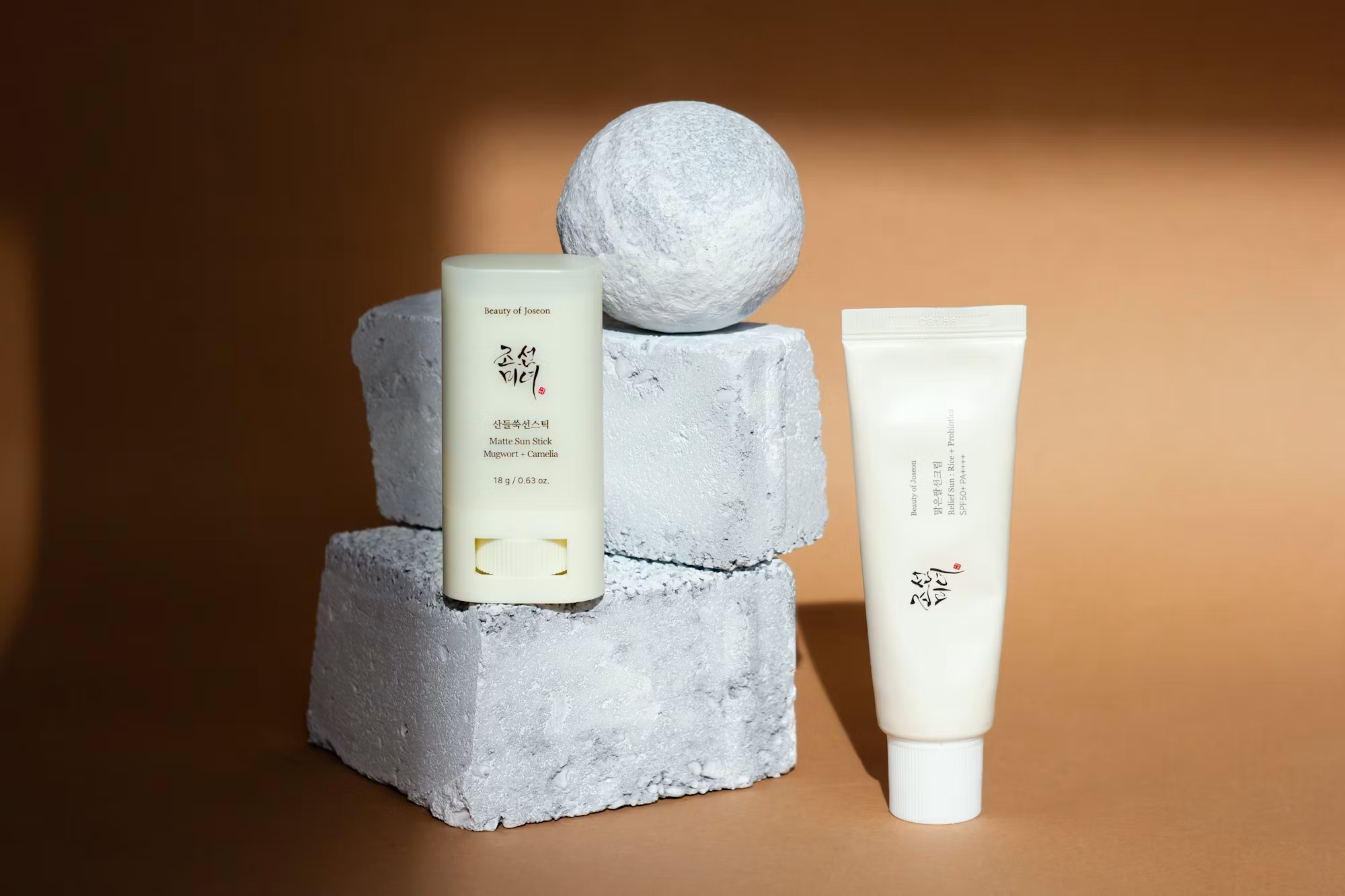
The final and most important step in your morning skincare routine is sunscreen. Sunscreen protects your skin from harmful UV rays, preventing premature aging, pigmentation, and other forms of sun damage.
There are two main types of sunscreen:
– Chemical Sunscreens: These absorb UV rays and convert them into heat, which is released from the skin. They tend to feel lightweight and are great for everyday use.
– Physical (Mineral) Sunscreens: These create a physical barrier on your skin that reflects UV rays. They are often preferred for sensitive skin.
Choose a broad-spectrum sunscreen with at least SPF 30. Apply it as the final step in your morning routine, and reapply every two hours if you are spending extended time outdoors.
Conclusion – Simplifying Your Routine for Better Results
Creating a skincare routine doesn’t need to be complicated. By focusing on the basics—cleansing, exfoliating, toning, treating, moisturizing, and protecting your skin with sunscreen—you can build a simple yet effective skincare regimen that suits your skin’s needs.
Consistency is key in skincare. Stick to your routine and give products time to work. Over time, you’ll notice smoother, brighter, and healthier skin. Remember, less is often more, and a streamlined skincare routine can deliver great results without the overwhelm.
Whether you’re a skincare beginner or a seasoned pro, these essential steps will help you achieve your healthiest skin yet.